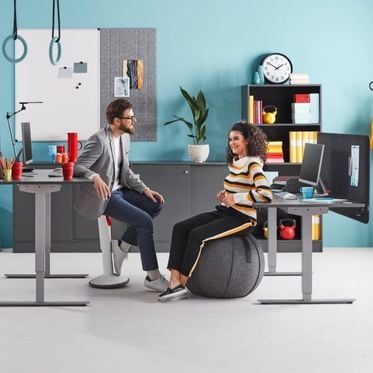

Category: Standing Desk Transitions and Interval Logic
The introduction of the standing desk was a major step forward in office wellness, but many users fall into the trap of “static standing”—replacing eight hours of sitting with eight hours of standing. Neither extreme is ideal for the body. The true benefit of a standing desk lies in the transition. The act of moving from a seated position to a standing one resets your posture, stimulates your metabolism, and re-engages the muscles in your legs and glutes. To maximize the benefits, experts suggest a “1:1” or “2:1” ratio, alternating between sitting and standing every 30 to 45 minutes.
Successful standing desk use requires more than just height adjustment. It is essential to use an anti-fatigue mat to provide cushioning for the feet and to wear supportive footwear. When standing, ensure your weight is evenly distributed and avoid “locking” your knees, which can impede circulation. By treating your desk height as a dynamic variable rather than a fixed setting, you create a workflow that mimics natural human movement. This interval-based approach prevents the fatigue associated with long-term standing while eliminating the physical stagnation of prolonged sitting, resulting in a more balanced and energetic workday
