Category: Dynamic Seating and Core Engagement
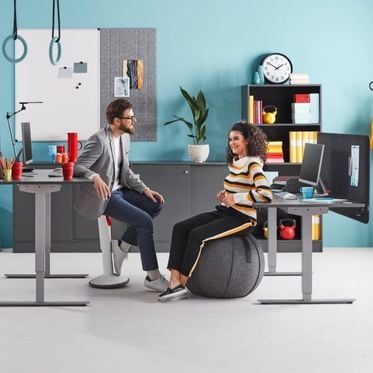
For decades, the standard office chair has been designed to support the body in a way that often leads to muscular “switching off.” When the chair does all the work, the core muscles that support the spine become inactive, leading to the common slouching associated with back discomfort. Active sitting, particularly through the use of stability balls or ergonomic stools, changes this dynamic by introducing a “micro-challenge” to your balance. Because a stability ball is inherently unstable, your deep abdominal and back muscles must engage in subtle, constant contractions to keep you upright.
This continuous engagement is not about a workout, but about “passive conditioning.” These micro-movements improve blood flow to the spinal discs and encourage a more natural, upright posture without the need for conscious effort. When using a stability ball, the hips are often slightly higher than the knees, which opens up the pelvis and reduces the pressure on the lower lumbar region. By incorporating dynamic seating into your daily rotation, you turn sedentary time into an opportunity for subtle physical reinforcement, helping to maintain a strong, resilient foundation while you focus on your professional tasks.
